
Commercial and Industrial Biohazard Cleanup
Site access and operating needs guide planning for commercial and industrial biohazard cleanup.
See commercial and industrial biohazard cleanupGet blood, bodily fluids, sharps and contaminated materials removed from an office, store, warehouse or shared workplace in Buckley. The affected space stays controlled while cleanable surfaces are treated and unsafe porous materials are removed.
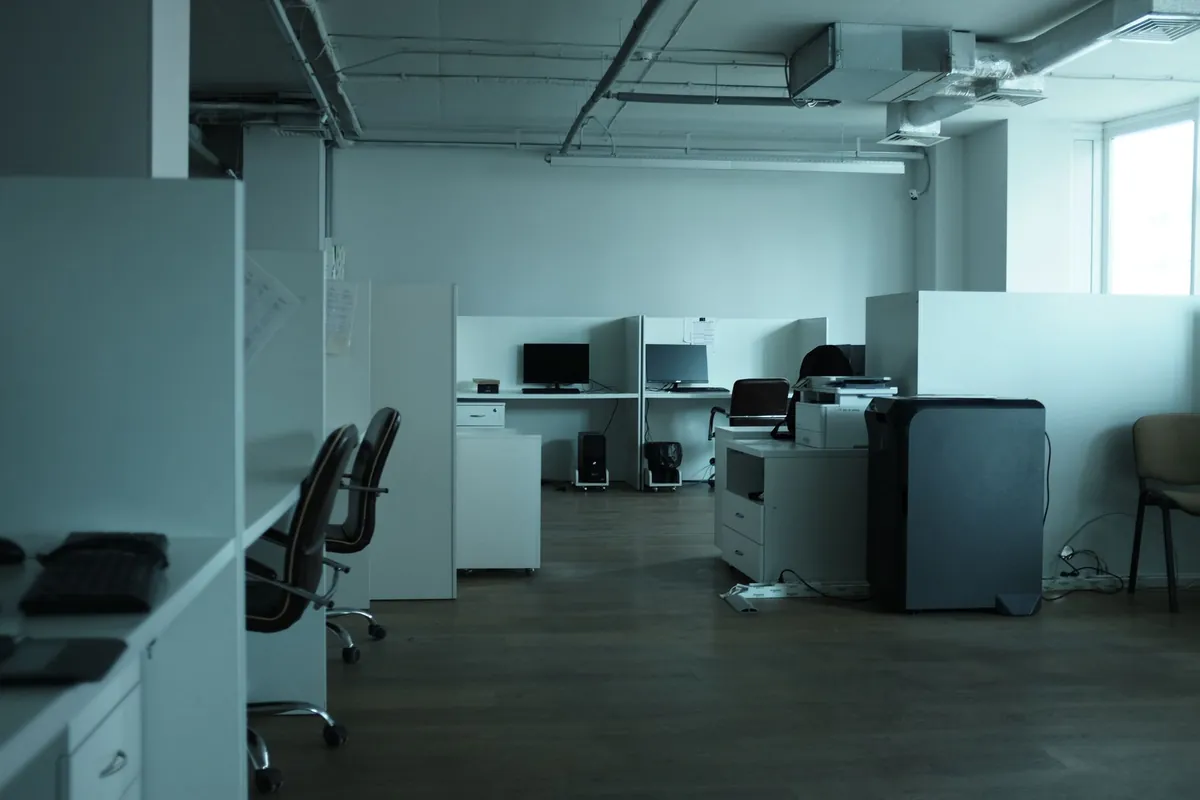
Workplace and office biohazard cleanup means safely controlling, removing, cleaning and disinfecting contamination from blood, bodily fluids or sharps following an accident, illness, injury or another on-the-job exposure.
This work goes beyond normal janitorial cleaning services. The cleanup process identifies the affected area, limits foot traffic, removes materials that cannot be disinfected and treats surfaces with the right product for the full contact time. Waste is packaged for lawful disposal, and the space is checked before it returns to use.
Workplace biohazards can reach more than the spot where an event happened. Shoes, cart wheels or cleaning tools may carry contamination into surrounding areas. A careful assessment follows those paths and separates visible soil from personal property, furniture and building materials that may need closer inspection.
Choosing a cleanup company starts with clear information. You hear what will be cleaned, what may need removal and which spaces must stay closed before work starts.
Organize photographs, work-scope information and waste records for facility files, property owners or an insurance company.
Unmarked vehicles are used by crews, and screening can hide the affected area from customers, nearby tenants and employees.
You are consulted before decisions about isolated electronics, personal items and documents when doing so does not create a safety issue. Clear decisions can help you move forward with less uncertainty.
A workplace may need office biohazard cleaning when ordinary cleanup risks staff exposure to sharps, contamination or bodily fluids. These situations commonly include:
A visitor or employee suffers an injury that leaves blood on shared-area items, flooring, walls or furniture.
Needles or other sharp objects have been discarded in an employee space, restroom, loading area or parking location.
A lobby, restroom, workstation, break room or another occupied space is affected by feces, urine or vomit.
Blood or another fluid remains on warehouse floors, porous construction materials, machinery or stairs after an accident.
Protect people before thinking about the room or the cleanup schedule. Follow your workplace emergency response plan and take these practical first steps:
Call (888) 440-9227Workplace biohazard cleanup has no published price of its own. For a reference point, Fixr reports $3,000 to $5,000 as the usual national figure for general biohazard work. Smaller jobs begin near $1,500 and large ones can reach $25,000 or more. A wiped desk is a different job from soaked carpet and wall damage. Treat these as context, not a quote.
These national ranges are taken from published cost guides, rather than a property visit. An on-site assessment determines your property's price, which is explained to you before the cleanup starts.
Ask about cost: (888) 440-9227Insurance may cover some workplace biohazard cleanup, but the answer depends on the cause of the incident, the commercial policy, the lease and any exclusions or deductibles.
Your lease might allocate cleanup duties differently depending on whether the location is a lobby, shared restroom, parking area or private suite. When work affects entry or building systems, give the property manager notice before it starts.
Insurance companies can seek facts about the cause and contamination before making a property coverage decision. Write down your claim number and every document requested by the adjuster.
Photos, an itemized scope and waste records can support a claim. Find out if the claim considers repairs, restoration services and cleanup as distinct parts. Ask what the policy needs before damaged materials are discarded when it is safe to wait.
Care for the employee is separate from cleaning the property. Complete your workplace injury steps and have the appropriate insurance company explain how to report both matters.
Office biohazard cleanup is completed in a controlled sequence. At each stage, affected spaces remain separate while the source is removed. Records show what was cleaned and what came out before reopening.
Cleanup technicians identify the event area, nearby transfer paths, surface types, personal property and any rooms that must stay closed.
Signs and physical barriers prevent access. Cleanup crews use protective gear suited to the exposure.
Disposable objects and visible material are gathered before cleaning to avoid carrying them around the office. Contamination that is left behind can transfer to surrounding surfaces.
When contamination cannot be reached and fully treated, cleanup involves removing drywall, unfinished wood, carpet padding, ceiling tiles or upholstery.
Cleaning services for a biohazard include washing hard surfaces, then treating them with an EPA-registered disinfectant for the full contact time stated on its label.
Source removal comes first. Afterward, air scrubbing and suitable odor treatment may be appropriate when indoor air or soft materials were affected.
Sharps and other regulated waste are sealed in the correct containers and moved under the rules that apply in the state.
Normal use resumes only after every step has been reviewed. Waste documents and photographs record the entire process, while needed repairs are noted.

You can call anytime. An office and workplace biohazard cleanup specialist answers, explains the steps and agrees a start time with you.
Biological hazards at work present serious health risks when contamination travels from its starting point, people contact affected surfaces or a sharps injury occurs.
A traumatic event or injury can cause distress among coworkers. Access limits protect privacy while helping staff avoid viewing or entering the affected space.
Blood can contain HIV, hepatitis C or hepatitis B. According to the CDC, surface survival for hepatitis B can last at least seven days, so dried blood needs careful treatment.
A needle or broken sharp object may penetrate the skin. Sharps call for collection that resists punctures. Other hazardous waste requires suitable packaging and disposal.
Can you clean it yourself? A designated employee may address a very small spill on a hard, non-porous surface only if the workplace plan, training and protective equipment cover that task. Staff without training should not clean contamination that entered carpet, unfinished wood, upholstery, a wall cavity or any area with sharps.
Cleanable, non-porous surfaces can often stay. Porous materials are removed when fluids entered areas that the cleaning process cannot fully reach.
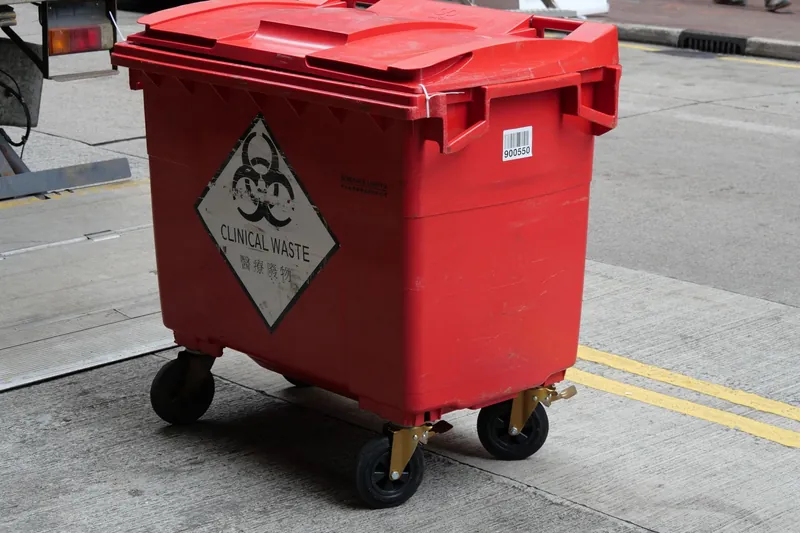
Federal standard 29 CFR 1910.1030 imposes requirements for training, protective equipment, exposure controls and other safeguards when workers might contact blood or specified body fluids.
For the intended use, select an EPA-registered disinfectant and leave it visibly wet for all of the label's contact time.
Washington's biomedical waste law covers human blood and blood products. The Utilities and Transportation Commission oversees companies that haul it, and local health departments set handling rules, so it should not go in household trash.
Local health and building rules can affect how a contaminated room is cleaned and when it can be used again, so mention any notice you have received from the city or county.
Several hours may be enough for a limited hard-surface cleanup, while one or more days may be needed when multiple rooms, furniture, carpet or wall material is affected. Repair work, building access, medical care and release by law enforcement can delay the office's full reopening.
The full office and workplace biohazard cleanup guide covers what is cleaned or removed, odor and air quality work, and the rules that apply in your state.
Read the full office and workplace biohazard cleanup guideLocal housing, population and access details can shape containment, access and cleanup planning.
Rental housing represents 21.6% of households here, so cleanup information should still explain when a landlord must approve structural work.
Local housing has a median build year of 1995, so cleanup should protect intact finishes while removing materials that cannot be disinfected.
The 40 older residents who live alone may rely on family or neighbors to notice when something is wrong at home.
With 84.9% single-family housing, crews may need to inspect basements, crawl spaces, garages, and other areas unique to detached homes.
Your phone conversation can include questions about service in nearby ZIP codes and communities.
Site access and operating needs guide planning for commercial and industrial biohazard cleanup.
See commercial and industrial biohazard cleanup
Blood spill cleanup addresses fresh or dried blood spills of every size.
See blood spill cleanup
During cleanup, blood exposure involving hepatitis C, HIV and hepatitis B is controlled.
See bloodborne pathogen cleanup
Bodily fluid cleanup removes fluids and disinfects affected areas in businesses, homes and care settings.
See bodily fluid cleanup
All surfaces receive full coverage with EPA-registered products for infectious disease disinfection.
See infectious disease disinfection
Needles and other sharps are removed from rentals, yards, encampments and parks.
See needle and sharps cleanup
Sealed containers with labels hold biohazard waste during collection and disposal.
See biohazard waste disposal
Accident and injury scene cleanup in homes, workplaces and public spaces.
See accident and injury scene cleanupNo dependable cost range has been published specifically for workplaces. Typical general biohazard projects run $3,000 to $5,000 in published cost guides, and listed jobs range from about $1,500 to $25,000 or more. The final assessed cost is shaped by the area's size, type of contamination, porous materials, equipment access, disposal needs and timing.
Employees should stay out of the controlled work area. A manager or authorized contact can arrange access, explain the event and approve the scope without keeping other staff nearby. Whether the rest of the workplace remains open depends on containment, shared ventilation, access routes and business safety procedures.
Insurance might apply based on the event's cause, the commercial property policy, exclusions, lease terms and deductible. Report the event within the time required by the policy and ask whether cleanup, damaged contents and repairs are treated separately. Keep photos, scope details, invoices and waste records requested for the claim.
Keep the affected area closed until the source is removed, required cleaning and disinfection are complete, and any unsafe materials are secured. If containment separates the rooms, one could return to use earlier than the other. Timing varies with the spill, affected surfaces, investigation status, drying time and repairs.
Biological hazards include sharps, infectious material, blood, human waste, bodily fluids or another biological substance capable of exposing someone to injury or illness. The right response depends on what happened, where it spread and whether staff have the training and protective equipment required by the workplace plan.
The floor below, carpet padding and carpet itself are all evaluated. Surface cleaning may not reach fluid that passed through the fibers. Contamination reaching the seams, padding or subfloor may require removal of a limited carpet section. The assessment should include furniture and foot traffic routes close by.
Crews carry out respectful, discreet office and workplace biohazard cleanup, arrive in unmarked vehicles and take calls 24 hours a day.